Preparing for Full Mouth Dental Implant Surgery: A Practical Checklist
The Step-by-Step Process for Full Mouth Dental Implants in Glendale, CA
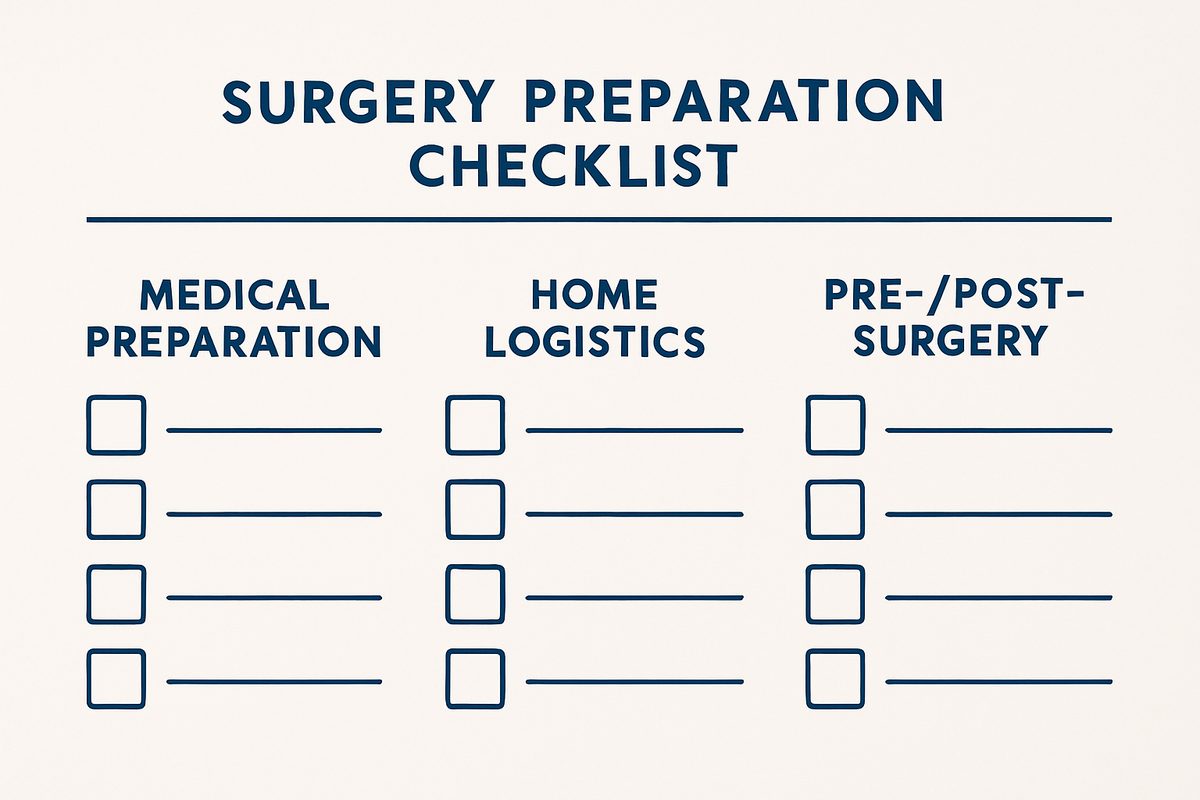
Preparing well for full mouth implant surgery reduces stress and speeds recovery. This checklist walks you through medical prep, home logistics for surgery day, and what to expect the week before and after. Use it to get organized, talk through items with your care team, and confirm appointments and forms ahead of time so your surgery day goes smoothly.
Medical and medication prep
- What to bring to your consult: a current medication list (name, dose, frequency), recent dental and medical records, photo ID, insurance information, and a list of questions you want answered.
- Common meds to mention: blood thinners (aspirin, warfarin/Coumadin, clopidogrel/Plavix, DOACs), insulin and other diabetes meds, high blood pressure medicine, steroids, and herbal supplements (garlic, ginkgo, fish oil, St. John’s wort).
- Blood thinner guidance: always tell your surgeon and prescribing physician if you take blood thinners. Do NOT stop them without medical approval; your provider will tell you if and when to pause or bridge therapy before surgery.
- Other medical notes: bring a list of allergies, recent hospital or ER visits, and the contact info for any specialists or your primary care doctor.
- Local prep resources: patients can download checklists and preparatory guides from Glendale, CA support pages to help organize records and pre-op steps.
Home and travel logistics for surgery day
Plan the practical details early so recovery is comfortable. Arrange a reliable ride home — you won’t be able to drive after sedation. Have a caregiver or friend available for the first 24–48 hours to help with meals, medications, and errands.
- Arrange transportation and a responsible adult to stay with you for 24 hours.
- Plan childcare or pet care if needed.
- Wear comfortable, loose clothing and slip-on shoes; avoid jewelry and contact lenses on surgery day.
- Create a recovery area at home with pillows, an easy-to-reach phone, chargers, a trash can, and a place for cold packs and gauze.
- Prepare easy meals and snacks in advance (see soft-food grocery list below).
What to expect the week before and after surgery
- Fasting instructions: follow your surgeon’s fasting rules for sedation—commonly no solid food for 6–8 hours and no clear liquids for 2 hours before sedation, but confirm exact timing with your provider.
- Stop smoking: avoid smoking for at least 1–2 weeks before and during healing when possible; smoking slows bone and soft-tissue healing and raises complication risk.
- Arrange prescriptions: ask the office to call in antibiotics, pain medicine, and any anti-nausea meds before surgery so they’re ready at home.
- Soft-food grocery list: broth, Greek yogurt, applesauce, mashed potatoes, smoothies, protein shakes, canned tuna/salmon, scrambled eggs, oatmeal, soft pasta.
- Post-op care essentials: cold packs, extra gauze, OTC or prescribed pain relievers, a digital thermometer, saline rinse or prescribed mouthwash, and a small syringe for gentle wound irrigation if recommended.
- Follow-up logistics: confirm when to return for temporary restorations, CBCT or iTero imaging checks, and any lab-based steps. Don’t forget to complete New Patient Forms and upload or bring digital imaging — check the Glendale, CA patient forms and imaging reminders before your appointment.
Choosing a Provider for Full Mouth Dental Implants in Glendale, CA
Key Questions to Ask at Your Full Mouth Dental Implant Consultation
Intro: A consultation is your chance to learn how the team will plan, place, and restore your full mouth implants. Bring this list of questions to ensure you understand experience, technology, timeline, costs, and aftercare so you can compare providers with confidence.
Experience and outcomes
- How many full-mouth implant cases has your team completed?
- Can you show before-and-after photos and patient stories for similar cases?
- What are your typical success and complication rates for full mouth implant work?
Planning, imaging, and technology
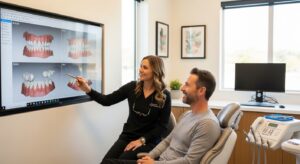
- Do you use CBCT scans for 3D planning and to assess bone volume and anatomy?
- Will my case use guided implant surgery, and do you produce in-house surgical guides with 3D printing?
- Do you take digital iTero scans for provisional and final restorations to speed accuracy?
Surgery, sedation, and recovery timeline
- What sedation options do you offer (local, oral sedation, IV sedation, general anesthesia)?
- What is the expected healing timeline, and when will temporary teeth be placed?
- How will my immediate temporaries feel, and what limitations should I expect in the first weeks?
Costs, financing, and warranties
- Can you provide a written estimate that lists what is included and excluded (surgery, grafts, lab fees, restorations, follow-ups)?
- What financing plans or third-party lenders do you work with, and are there in-office payment options?
- Do restorations or implants carry any warranties or maintenance plans?
Risks, complications, and follow-up care
- What are the most common complications you see, and how are they managed?
- If an implant fails, what is your protocol for removal, bone grafting, and replacement?
- What does long-term maintenance look like (cleaning schedule, periodic imaging, restoration care)?
Local resources and next steps
Ask for patient references or testimonials and request a copy of the proposed treatment timeline. Confirm scheduling for CBCT imaging, pre-op medical clearance (if needed), and any pre-surgery visits. For help with local logistics or downloadable checklists, check the Glendale, CA patient resources to prepare for your next appointment and to confirm documentation needed for your consult.