Dental implants for missing teeth are a permanent way to replace lost teeth. They use a titanium post that acts like a tooth root, an abutment that connects the post to a crown, and a custom crown that looks and feels like a natural tooth. This short guide explains who can benefit, what to expect during the process, and why dental implants for missing teeth are often the best long-term solution.
What are dental implants for missing teeth?
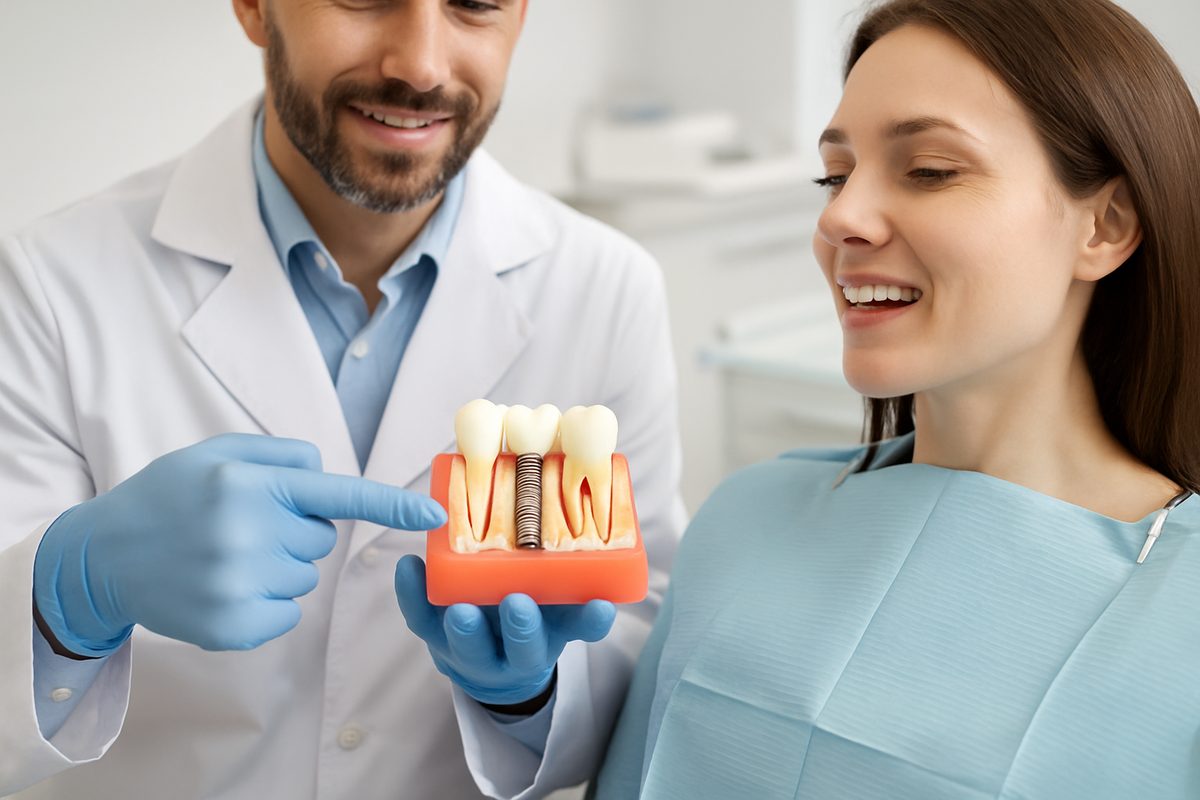
Dental implants for missing teeth are small metal posts placed into the jawbone to replace the root of a lost tooth. After healing, an abutment attaches to the post and a crown is placed on top. Because the implant fuses with bone, it provides a stable base that looks, feels, and functions much like a natural tooth. For patients seeking dental implants for missing teeth in Glendale, CA, this means a reliable, natural-looking replacement.
Top benefits of dental implants for missing teeth
Restore chewing and speech
Dental implants give you a stable bite so you can chew without fear of slipping. Unlike removable dentures, dental implants for missing teeth let you eat a wider range of foods and speak more clearly because they stay secure in your mouth.
Preserve jawbone and facial structure
When a tooth is lost, the jawbone no longer receives normal stimulation and can shrink. Dental implants for missing teeth in Glendale, CA replace the root function and help maintain bone volume, supporting your jaw and facial contours.
Durability and long-term value
With good care, implants can last many years—often decades. While upfront cost is higher than some options, dental implants for missing teeth can be more cost-effective long term because they reduce the need for future repairs and bone-related treatments.
Who is a good candidate for dental implants for missing teeth?
Good candidates are in generally good health, have healed gums, and enough jawbone for implant support (or are willing to consider bone grafting). Non-smokers or those who will quit during healing have better outcomes. Realistic expectations and commitment to oral hygiene are important. If implants aren’t ideal, alternatives like bridges or partial dentures may be recommended.
What to expect during the implant process
Typical steps include an initial consultation and imaging, implant placement, a healing period for osseointegration, and then placement of the abutment and final crown. The whole process can take several months depending on healing and any additional procedures. For many patients, the final result is functional and natural.
How modern tech improves outcomes
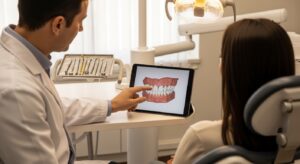
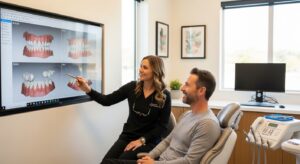
Advanced tools make implant care safer and more predictable. CBCT 3D imaging maps bone and nerves. iTero scans and intra-oral cameras improve planning and fit. Surgical guides and in-house 3D printing ensure precise implant placement. Lasers and sedation options reduce discomfort and speed recovery.
Risks, aftercare, and maintenance for dental implants for missing teeth
Risks include infection, slow healing, and rare implant failure. Watch for persistent pain, swelling, pus, or a loose implant and contact your dentist if these occur. Daily brushing, flossing around the implant, and regular dental checkups are essential. Professional cleanings and exams help catch issues early and extend implant life.
Cost factors and financing for dental implants for missing teeth
Price depends on number of implants, need for bone grafts or sinus lifts, type of restoration (single crown vs. implant-supported bridge or All-on-X), lab/material costs, and provider experience. Many offices offer financing, dental membership plans, or payment plans—ask about options to make treatment manageable.
Why consider Broadway Smile Boutique for dental implants?
Led by Dr. David Shirinian, Broadway Smile Boutique offers implant solutions including All-on-X and full-mouth options with concierge-style care and clear communication. The team uses CBCT, iTero, intra-oral cameras, lasers, and in-house 3D printing to plan and execute predictable results. Flexible financing is available. For care at Broadway Smile Boutique: 1100 E Broadway, #302, Glendale, CA 91205 — New patients: 818-600-7835; Current patients: 818-900-1100.